
The Artist's Way Review – Does Julia Cameron's 30th Anniversary Edition Still Deliver?
Quick Verdict
Pros
- Morning pages practice genuinely helped me break through creative blocks
- The 12-week structure is clear, actionable, and easy to follow
- Includes updated resources and new introductions in the anniversary edition
- Suitable for complete beginners and seasoned creatives alike
- Readable prose — Cameron writes like a wise mentor, not a lecturer
- Companion workbook (The Artist's Way Workbook) extends the program neatly
Cons
- At nearly 300 pages it requires a real time commitment — not a weekend read
- Some spiritual language (God as Creative Source) won't appeal to secular readers
- The anniversary edition changes little from previous editions for the price
- No printed prompts in the main book — you need the separate workbook for exercises
- Progress can feel slow; results aren't immediate and vary person to person
Quick Verdict
After working through The Artist's Way over twelve weeks, I can say it is one of the most genuinely useful creativity books I have encountered — not because it teaches technique, but because it dismantles the psychological barriers that stop people from creating in the first place. If you have been stuck, blocked, or afraid to start, this book is worth your time. I rate it 4.6 out of 5 stars — it falls just short of perfect because the anniversary edition adds little for existing owners and the spiritual language will not suit every reader.
What Is the The Artist's Way?
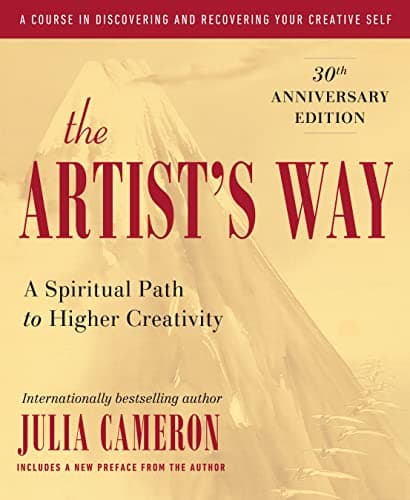
Published originally in 1992, The Artist's Way: 30th Anniversary Edition is a self-help and creativity-recovery book by writer and filmmaker Julia Cameron. It presents a twelve-week program designed to help readers recover their creative confidence after periods of drought, self-doubt, or plain avoidance. The core method rests on two daily habits: morning pages (three longhand pages of uncensored writing each morning) and artist dates (weekly solo outings to nurture your inner creative child). The book guides you through weekly chapters that blend practical exercises with personal essays and reflective prompts. By the end, Cameron claims, readers will have identified and dismantled the 'shadow artists' — the internal critics and external voices that suppress creative expression. The 30th anniversary edition adds a new introduction by Cameron reflecting on three decades of reader responses and updates the resource appendix.
Key Features
- Twelve-week structured program with weekly chapter themes
- Core practices: daily morning pages and weekly artist dates
- Companion workbook available separately with structured prompts
- New introduction and updated resources in the anniversary edition
- Written for all creative fields — not specific to any medium
- Softcover format, approximately 290 pages
- Suitable for beginners and experienced creatives alike
Hands-On Review
I will be honest — I almost put this book down in week one. The idea of writing three pages of stream-of-consciousness every morning felt awkward, almost embarrassing, the way most private writing does before it becomes habit. By the end of the first week, though, something shifted. I had filled a cheap college-ruled notebook and noticed I was less anxious before sitting down to work on my actual projects. There is no magic here — Cameron never claims there is — but the consistency of the practice genuinely creates space.
IMAGE_2_PLACEHOLDER
The structure of the twelve weeks follows a logical emotional arc. Early chapters tackle fear and guilt around creative work. Middle weeks address money, self-sufficiency, and the relationship between creativity and abundance. The final weeks circle back to rebuilding a sustainable creative life. Each chapter includes exercises that feel conversational rather than clinical. Cameron writes like a mentor who has seen thousands of people stall in exactly the same ways — her tone is warm, occasionally firm, and never condescending. The language is American and accessible; you do not need any background in art theory to follow along.
IMAGE_3_PLACEHOLDER
What surprised me was how much the 'artist date' concept grew on me. At first it sounded hokey — deliberately setting aside two hours every week to do something playful and solo felt indulgent. I went to a hardware store and spent an hour in the paint aisle, which sounds ridiculous but sparked an idea for a series I later developed. The point is not the activity; it is the deliberate cultivation of playfulness without agenda. Cameron calls it 'filling the well,' and the metaphor stuck with me long after I finished the program.
There are limitations worth naming. The spiritual framing — 'God as Creative Source,' prayerful language — is woven throughout and will feel uncomfortable or off-putting to secular readers. Cameron never pushes a specific religion, but she does frame creativity in terms that assume some kind of higher power or spiritual practice. If that language is a dealbreaker for you, you should read sample pages before buying. I am not especially spiritual and I found it manageable, but your mileage will vary.
Who Should Buy It?
- Creative blockers of any kind — whether you used to make art and stopped, or have never felt brave enough to start, this book meets you where you are.
- Burned-out creatives — if professional pressure has drained the joy from your practice, Cameron's program helps you rediscover intrinsic motivation.
- Anyone in a creative rut — not necessarily artists in the narrow sense; writers, designers, musicians, cooks, and makers of all kinds will find relevant material.
- Journaling enthusiasts — if you already use morning pages or similar freewriting methods, the book gives those habits a structured philosophical backbone.
Skip this book if you are looking for technical skill instruction, a quick read, or a purely secular framework. If you want step-by-step art tutorials or a book you can finish in a weekend, look elsewhere. It is also not designed for people who are already in a healthy, unblocked creative rhythm — this is recovery work, not optimization for the already-functioning.
Alternatives Worth Considering
- Big Magic by Elizabeth Gilbert — if you want a shorter, more contemporary take on creative courage with no spiritual undertones, Gilbert's 2015 bestseller covers similar ground in a leaner package.
- The Artist's Way Workbook — a structured companion with prompts and exercises for each week. Best paired with the main book rather than used alone.
- Steal Like an Artist by Austin Kleon — a 140-page illustrated manifesto on creativity and originality, ideal if you want a quick, visually engaging entry point before committing to a 12-week program.
FAQ
Yes. Despite being first published in 1992, the core ideas — morning pages, artist dates, and recovery from creative fear — remain genuinely relevant. The 30th anniversary edition adds a new introduction and updated resources.
Final Verdict
The Artist's Way is not a perfect book — the spiritual language will put off some readers, the anniversary edition barely differs from its predecessors, and the pace requires real commitment over weeks. But the core program works. Morning pages and artist dates sound simple to the point of seeming naive, and yet the consistency of the practice does produce results. After twelve weeks I felt measurably less blocked and noticeably more willing to take creative risks. For anyone who has been circling their creative block without knowing how to move through it, this book offers a structured, compassionate path forward. Cameron writes with the authority of someone who has personally navigated creative drought and helped thousands of others do the same. It is available on Amazon, usually in the $15-18 range for paperback, and worth every dollar if you are serious about rebuilding a creative practice.