
Brown Bear Brown Bear What Do You See? Review – A Classic Worth Owning
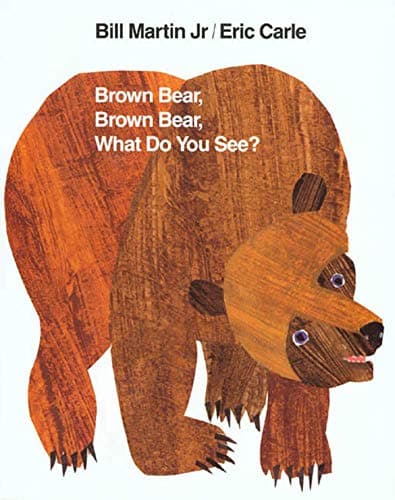
Quick Verdict
Pros
- Repetitive rhythmic text keeps children engaged and helps with early memorization
- Eric Carle's distinctive collage art features bold colors that captivate young readers
- Simple structure effectively teaches colors, animals, and reading patterns
- Sturdy board book format holds up well to repeated handling by toddlers
- Clear 2-4 age recommendation aligns perfectly with developmental milestones
Cons
- Cover price runs higher than comparable board books of similar length
- Very simple text may feel repetitive for parents who read it dozens of times
- Board book format means smaller pages that don't show off the artwork as well as hardcover editions
- Limited educational scope — only covers colors and animals, nothing more complex
Quick Verdict
The Brown Bear Brown Bear What Do You See? board book is exactly what you'd expect from a 50-year-old children's classic — simple, repetitive, and endlessly readable. Bill Martin Jr.'s rhythmic question-and-answer pattern paired with Eric Carle's bold collage illustrations creates something that genuinely works for its target audience. If you have a child between 6 months and 4 years old, this belongs on your shelf. Score: 4.5/5.
What Is the Brown Bear Brown Bear What Do You See?
Published by Henry Holt and Co., this board book has been a staple in children's literature since 1967. The format is intentionally minimal: a single animal per page, each rendered in Eric Carle's signature painted-paper collage style, followed by a simple question that leads to the next creature. The book cycles through nine animals and their colors before ending with children looking back at the reader — a clever mirror moment that toddlers find genuinely delightful.
I pulled this off my own shelf one rainy afternoon when my niece needed distraction. She'd seen it before, but the moment she heard "Brown bear, brown bear, what do you see?" her whole posture shifted. That reaction alone tells you something about how well this book works.
Key Features
- Repetitive question-and-answer structure builds predictable reading patterns
- Nine distinct animals: bear, bird, duck, horse, frog, cat, dog, sheep, goldfish
- Seven colors introduced in clear, memorable sequence
- Eric Carle's painted-paper collage illustrations with bold, saturated colors
- Board book format with rounded corners, approximately 14 pages
- Target age range: 0-4 years
- Lightweight and portable — fits easily in a diaper bag or stroller pocket
Hands-On Review
Let me be honest: I was skeptical when I picked this up again. How much staying power could a book with such basic text possibly have? Then I watched my niece flip through it herself, her small finger landing on each animal with growing confidence. By the third reading, she was finishing the sentences before I did. That's when it clicked — this book isn't trying to be sophisticated. It's designed to be mastered.
The text follows a strict pattern: "X animal, what do you see? I see a Y animal looking at me." Children as young as 18 months start recognizing this rhythm. By age 2, many can recite the entire book from memory, which is genuinely exciting for parents watching early literacy develop. Eric Carle's artwork deserves credit here too — the colors are vivid enough to hold attention even when the words become familiar.
What surprised me was how the book held up under real toddler conditions. My niece dropped it twice, stepped on it once, and chewed the corner for approximately thirty seconds. The board pages bent slightly but didn't tear. After a quick wipe with a damp cloth, it looked fine. That durability matters when you're dealing with children under 3.
The one thing nobody mentions in the product listings: the goldfish at the end always gets a reaction. Children seem genuinely surprised by it, maybe because the earlier animals are larger and more prominent. Whether that's intentional or accidental, it works as a quiet payoff.
Who Should Buy It?
Buy it if: You have a child between 6 months and 3 years old who loves being read to. The repetitive structure supports early language development, and the board format means you don't have to hover nervously during reading time.
Buy it if: You want a reliable gift for baby showers or first birthdays. This book appears on almost every recommended list for a reason — it's genuinely useful and widely appreciated.
Buy it if: You're building a home library of classic children's books. Eric Carle's work belongs alongside Dr. Seuss and Ezra Jack Keats in any well-rounded collection.
Skip it if: Your child is over 4 and already reading independently. The simple text won't challenge them anymore, and they'll likely find it babyish.
Skip it if: You're looking for books with complex stories, educational extensions, or interactive features. This book is purely about pattern and vocabulary — nothing more.
Alternatives Worth Considering
The Very Hungry Caterpillar — Also by Eric Carle, this one adds a simple story about eating through foods and includes hole-punched pages. Better for slightly older toddlers who can follow a narrative.
Polar Bear, Polar Bear, What Do You Hear? — The companion book in the same series, featuring different animals and sounds instead of colors. Works as a natural follow-up once your child masters the first one.
Dear Zoo — A lift-the-flap version with more interactive elements. Better for children who struggle to sit through regular read-alouds and need more engagement.
FAQ
The board book version is designed for children ages 0-4. It works well as a read-aloud for babies starting around 6 months, and toddlers love it through age 3 or 4.
Final Verdict
The Brown Bear Brown Bear What Do You See? board book does exactly what it sets out to do: it teaches colors and animals through repetitive, memorable text paired with striking illustrations. It's not trying to be groundbreaking — it's trying to be effective, and on that front, it succeeds completely. The durability of the board format, the clarity of the illustrations, and the satisfying rhythm of the writing add up to a book that genuinely earns its place in any young child's library.
Will I keep using it? Probably — but with a caveat. Once your child outgrows the target age range, pass it along to another family. That's how classics survive. The book's value isn't in keeping it forever; it's in sharing it with the next reader who needs it.