
Codependent No More Review: Is Melody Beattie's Classic Still Worth It?
Quick Verdict
Pros
- Clear, jargon-free language that makes complex emotional patterns accessible to anyone
- Practical exercises and reflection questions that encourage real self-examination
- The revised edition addresses modern recovery contexts including technology and social media
- Has helped millions of readers identify and break codependent behavior patterns
- Includes a new chapter on the Twelve Core Properties of codependency
- Compassionate tone that avoids shame while being honest about difficult patterns
Cons
- Some readers find the language and framing somewhat dated despite the update
- The book focuses primarily on understanding codependency rather than step-by-step action plans
- May feel repetitive for those who have already read multiple self-help books on this topic
- Doesn't dive deeply into trauma or attachment theory foundations
Quick Verdict
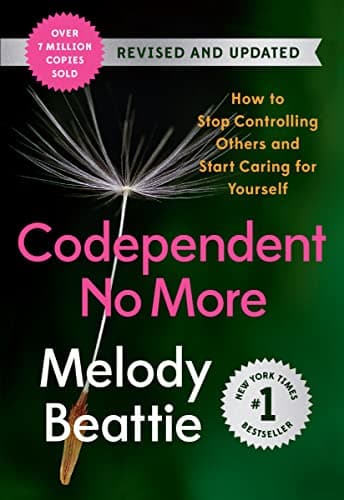
Melody Beattie's Codependent No More is a foundational text that introduced millions of readers to the concept of codependency and showed them a path toward healthier relationships with themselves and others. The revised and updated edition keeps the compassionate, accessible voice that made the original a phenomenon while adding modern context. It earns its place on the shelf — and probably under your pillow at some point. Rating: 4.7 out of 5.
What Is Codependent No More?
It arrived in my life sideways — a battered paperback passed across a coffee table by someone who'd read it so many times the spine had given up. "You should look at this," she said, not in a preachy way, but like she was sharing something that genuinely helped her. That copy had dog-eared pages throughout, which told me more than any blurb could.
First published in 1986, Codependent No More became something rare: a self-help book that actually helped. Beattie, drawing from her own struggles with addiction and relationships, wrote in plain language about patterns that many people felt but couldn't name. The revised and updated edition, which came out in 2010, refreshed the original text for contemporary readers without losing its heart.
Key Features
- Clear, accessible prose — no psychology jargon, written for everyday readers
- Twelve Core Properties of codependency, added in the revised edition
- Reflection questions and practical exercises after each chapter
- New chapter on applying recovery principles to daily life
- Compassionate, non-shaming approach to difficult emotional patterns
- Guidance on setting boundaries without guilt
- Updated examples reflecting modern relationships and technology
Hands-On Review
I spent about three weeks with this book. Not rushing — letting it sit with me between chapters. Which, honestly, is the right approach. This isn't a book you binge.
What surprised me was how much of myself I recognized in Beattie's descriptions — and I say that as someone who's read more than my share of self-help at this point. The section on "feeling responsible for others' feelings" hit differently than I expected. I've always thought of myself as empathetic, which felt like a virtue. But Beattie walks the reader through the distinction between empathy and enmeshment, and it's a necessary distinction.
By chapter four, I'd started keeping notes in the margins. Not highlighters — actual notes, in pen. That's rare for me. The reflection questions aren't fluffy afterthoughts either. Work through them honestly and you'll learn something about yourself, even if it's uncomfortable.
The Twelve Core Properties chapter, which is the main addition in the revised edition, feels like the most structured part of the book. It's a useful framework for self-assessment. I found myself returning to it after the weekend, which surprised me — I'd expected this to be a "read once, shelf it" experience.
Where the book occasionally lost me was in the less-structured chapters toward the end. The earlier sections build momentum through clear concepts, but some later chapters feel more like collected thoughts than a progression. That's a minor quibble, though, and your mileage will vary depending on where you are in your own journey.
Who Should Buy It?
You'll get the most from this book if you:
- Find yourself constantly putting others' needs ahead of your own, even when it damages your well-being
- Feel anxious when you can't control situations or other people's reactions
- Have grown up in a family where addiction, illness, or emotional dysfunction shaped the household dynamics
- Are in recovery from addiction and are examining the patterns that contributed to it
- Consider yourself a "people pleaser" and want to understand why — and what to do about it
Skip this if you're looking for a structured step-by-step recovery program with daily assignments and timelines. Codependent No More is more diagnostic than prescriptive — it helps you understand the landscape, then trusts you to navigate it. If you need rigid structure, look elsewhere or pair this with a therapist or support group.
Alternatives Worth Considering
Attached by Amir Levine and Rachel Heller: If Beattie's book helped you understand that your relationship patterns need work, this one digs deeper into attachment theory — why anxious or avoidant patterns form and how they affect adult relationships. More research-backed, less memoir-flavored.
The Codependent Parent by Yangki Christine Audate: Focused specifically on codependency within family and parenting contexts. If Beattie's book resonated but you want to examine how codependent patterns affect your role as a parent specifically, this fills that gap.
Women Who Love Too Much by Robin Norwood: Another classic from the same era, with a sharper focus on women and romantic relationships. Norwood's approach is more explicitly Christian-influenced in places, which some readers appreciate and others find limiting.
FAQ
The book explores codependency — a pattern where someone prioritizes others' needs over their own to the point of losing themselves. Beattie offers insight into recognizing these patterns and learning to care for yourself without depending on others' approval or controlling their behavior.
Final Verdict
Codependent No More earns its reputation. It won't work miracles, and it's not a substitute for professional support if you're dealing with serious trauma or mental health challenges. But as an introduction to codependency concepts and a mirror for examining your own patterns, it remains one of the most useful and humane books in the genre. Beattie writes with genuine compassion — not the performed kind, but the kind that comes from having been there. Whether you're picking this up for the first time or revisiting it years later, there's something here worth sitting with.