
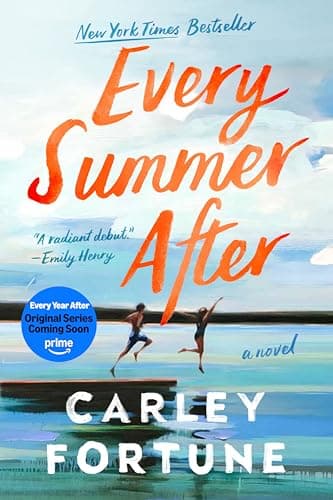
Every Summer After Book Review – A Worthwhile Summer Romance?
Quick Verdict
Pros
- Dual-timeline structure keeps the story unpredictable and emotionally layered
- Lakeside small-town setting feels vivid and grounding
- The friendship-to-lovers arc unfolds with genuine emotional weight
- Strong sense of nostalgia without feeling sentimental
- Carley Fortune's prose is accessible and easy to read
Cons
- Some readers may find the present-day storyline less compelling than the past
- The pacing dips noticeably in the middle section
- Secondary characters feel underdeveloped compared to the central romance
- No major plot twists mean the ending is fairly predictable
Quick Verdict
If you're hunting for a summer romance that earns its emotional moments, Every Summer After delivers a quietly satisfying read. Carley Fortune's debut novel trades dramatic twists for genuine heart — and that honesty is what makes it stick. I'd give it a solid 4 out of 5 stars: it's not a masterpiece, but it's the kind of book you'll finish and then hand to a friend with a quiet "you'll like this."
What Is Every Summer After?
The novel opens on a phone call. Persephone — Percy to everyone who knows her — receives news that Sam, the man she hasn't spoken to in six years, is back in town. That single call pulls us backward into the summers that built them: six weeks at a time, year after year, at a lakeside resort town called Barry's Bay. What started as childhood friends became something neither of them could name, and then one summer, something broke.
Fortune telling this story across two timelines. The "past" chapters are warm, sun-drenched, and full of the small rituals that define summer friendships — swimming at the dock, late-night fire pits, the slow, agonizing process of realizing you want more from someone. The "present" chapters are quieter, more guarded, dealing with the aftermath of whatever happened between them. A local mystery threads through the contemporary storyline, giving Percy a reason to stay in town and, inevitably, to keep crossing paths with Sam.
Key Features
- Alternating dual-timeline narrative between teenage summers and present day
- Set in the fictional lakeside town of Barry's Bay, Ontario
- Friendship-to-lovers romance arc with slow emotional buildup
- Approximately 320 pages in paperback — accessible for most readers
- Canadian author bringing a distinct small-town setting to the genre
- Themes of grief, family legacy, and second chances at connection
- No cliffhanger or sequel — complete standalone story
Hands-On Review
I picked this up on a recommendation from a coworker who described it as "the book equivalent of sitting on a dock at golden hour." That's not a bad elevator pitch, honestly. Fortune has a real talent for place — the resort town of Barry's Bay feels lived-in and specific. You can practically smell the pine trees and lake water. The sensory details aren't heavy-handed; they're just enough to drop you there.
What caught me off guard was how much I cared about Percy and Sam before anything romantic even happened. Their friendship has a texture to it — inside jokes, comfortable silences, the specific way they navigate being in the same space. When the shift happens, it doesn't feel forced or rushed. The first half of the book builds that foundation carefully, and it pays off.
By the middle, though, I'll admit I felt a slight drag. The present-day storyline doesn't carry quite as much momentum as the past one. Fortune is clearly more comfortable writing the warmth and nostalgia of the summer scenes, and the contemporary chapters, while necessary, feel like they're running to catch up emotionally. I stuck with it, and the final act does bring things together satisfyingly — but readers who prefer tighter pacing might fidget here.
The ending won't shock you. If you've read even a handful of romance novels, you'll see the resolution coming. That's not a flaw in my view — Fortune isn't interested in tricks. She's interested in earned emotion, and for the most part, she gets there. The last few chapters landed for me in a way that felt genuine rather than convenient.
Who Should Buy It?
- Romance readers who prefer emotional depth over dramatic stakes. If you want a love story that feels real rather than explosive, this is a strong pick.
- People who enjoy dual-timeline narratives. The interplay between past and present is handled well and adds genuine intrigue to the storytelling.
- Readers who love small-town or lakeside settings. Barry's Bay is practically a character in this book, and its atmosphere carries much of the appeal.
- Anyone looking for a thoughtful beach or vacation read. It's light enough for relaxed reading but has enough substance to stay with you afterward.
- Skip this if you need high-stakes plot twists, fast-paced action, or you find slow-burn romances frustrating. This book asks you to sit with its characters and their history — if that isn't your pace, look elsewhere.
Alternatives Worth Considering
- The Vacation by Tally Lear — if you want another dual-timeline romance with a stronger sense of mystery running through the present-day story, this is a solid alternative from a similar era.
- People We Meet on Vacation by Emily Henry — a close comparison in tone and structure, with Emily Henry's signature wit and emotional intelligence. Many readers love both; some prefer one over the other depending on pacing preferences.
- Happy Place by Emily Henry — another friends-to-lovers story set in a vacation location, with a slightly different group dynamic that some readers find more engaging.
FAQ
It follows Persephone and Sam, whose friendship began one summer in the lakeside town of Barry's Bay and has continued through a decade of summers. The story alternates between their teenage beginnings and a present-day mystery about what went wrong.
Final Verdict
Every Summer After is a book that knows what it is and leans into that identity fully. It's warm, nostalgic, and emotionally honest — not a book that tries to be more than it is. The dual-timeline structure gives it narrative interest, even if the present-day sections don't quite match the warmth of the summer scenes. If you're in the mood for a romance that rewards patience and genuine character connection over plot fireworks, this book will give you that. Would I recommend it? Yes — with the caveat that your mileage depends on how much you enjoy slower, more contemplative romance novels.