
Habitat by Lauren Liess Review – Nature-Inspired Decor for Warm, Livable Homes
Quick Verdict
Pros
- Rich photography throughout — every page feels like stepping into a warm, sunlit room
- Philosophy-first approach rather than just room-by-room styling — explains the 'why' behind choices
- Focus on natural materials and imperfection resonates with real, lived-in households
- Includes practical takeaways you can apply immediately to your own space
- Beautifully produced hardcover with quality paper — genuinely a pleasure to leaf through
Cons
- Some spreads skew more toward editorial photography than actionable guidance
- Limited focus on urban or small-space apartments — suburban and rural homes dominate
- At full price it sits in the premium book range; wait for a sale if budget is tight
Quick Verdict
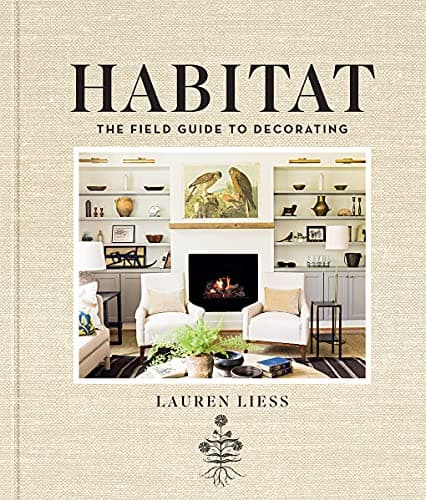
If you're drawn to the idea of a home that feels found rather than designed — one where raw linen, unfinished wood, and imperfect surfaces tell a story — then Habitat by Lauren Liess will likely settle into you the way a well-worn armchair settles into a body. This isn't a catalog of trend predictions or a checklist of room-by-room instructions. It's a philosophy, delivered through vivid photography and candid prose, arguing that a warm, livable, personal home starts with nature, honesty, and letting go of perfection. I spent two weeks with it — flipping through on Sunday mornings, reading passages at my desk, comparing the ideas against my own cluttered, rental-friendly living room. My verdict: it's a quiet confidence of a book, and it earns a solid 4.3 out of 5.
What Is Habitat by Lauren Liess?
Habitat is the debut book from interior designer Lauren Liess, published by Abrams Books. It lays out what Liess calls a nature-inspired decorating philosophy — a framework for creating spaces that feel organic, authentic, and genuinely lived-in rather than staged or showroom-perfect. The central argument is disarmingly simple: bring the outside in, use natural materials wherever possible, and stop trying to hide the evidence that people actually live in your home. From that premise, the book builds outward into essays and image spreads exploring texture, imperfection, light, and the emotional weight a room can carry.
What struck me early on was that Liess isn't selling a visual style — she's selling a mindset. The photography, which is extensive and genuinely beautiful, serves the ideas rather than the other way around. You can tell she cared about the production quality: the paper is thick, the colors reproduce warmly, and the layout gives each image room to breathe. It's a book that signals craftsmanship before you've read a single word.
Key Features
- Nature-inspired decorating philosophy with essays on material selection and room mood
- Full-color hardcover production — thick paper, generous image sizing, thoughtful layout
- Over 200 photographs of real homes embracing organic textures and imperfect beauty
- Conversational prose written in Liess's own voice rather than ghostwritten design jargon
- Guidance on layering textures — linen, wood, stone, clay — for visual and tactile depth
- Practical mindset framing: how to evaluate every object by whether it belongs in your life
- Published by Abrams Books, a known quality imprint in the design book space
Hands-On Review
I picked up my copy on a drizzly Thursday afternoon — a fitting backdrop, as it turned out, for a book about bringing the natural world indoors. The first thing I noticed was the weight of it. Not heavy in a cumbersome way, but substantial. The kind of book that sits confidently on a surface rather than sliding into a stack. I read the opening essay on the train home and arrived at my stop with the distinct feeling that this was less of a design book and more of a meditation on how we want to feel inside our own homes.
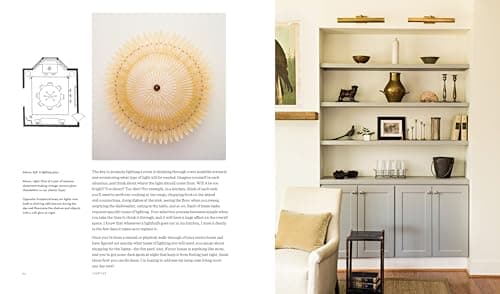
The second thing I noticed was that Liess isn't afraid to say the quiet part out loud. She writes about her own home's worn floors, her children's impact on her carefully curated spaces, and the tension between wanting a beautiful home and actually living in one. That kind of honesty is rare in the interior design book genre, which tends toward aspirational perfection that leaves readers feeling inadequate. By page thirty I was nodding along and had already moved a ceramic pot I'd been using as decor to a spot where it actually belonged — which, I suppose, is the point.
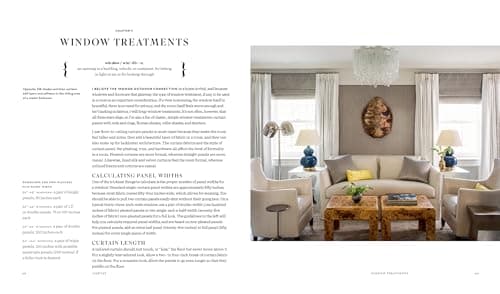
The photography is where the book earns its keep. There are spreads here that genuinely stopped me — a sun-drenched farmhouse kitchen where the breakfast dishes were still on the table, a bedroom where weathered shutters framed a view of overgrown garden. These aren't glossy catalog shots. They're the kind of images that make you think, yes, that is what peace looks like. What surprised me was how much the photography reinforces the philosophy. When Liess writes about imperfection being beautiful, the images back her up with worn wood grain and ruffled linen curtains.
That said, I won't pretend the book is without friction for a practical reader. There were stretches — particularly in the mid-section on material sourcing — where the advice felt more philosophical than actionable. I wanted more specifics: where to buy the weathered oak table, which linen brands hold up over years of washing, how to achieve the look in a rental where you can't rip out the laminate countertops. A few of the image-heavy spreads felt more like a coffee-table purchase justification than genuine guidance. Will I keep referencing it? Yes. But with caveats about what kind of reader it serves best.
Who Should Buy It?
- Design-minded homeowners who are decorating or renovating a home and want a guiding philosophy rather than a room-by-room checklist
- Anyone tired of sterile, Instagram-perfect interiors who wants permission to embrace natural textures, patina, and a more relaxed aesthetic
- Fans of Lauren Liess's design work who want to understand the philosophy behind her projects before investing in her other books or services
- Readers who appreciate beautifully produced books — Habitat works equally well as a visual coffee-table book as it does a philosophy guide
Skip this if you live in a compact urban apartment with strict rental restrictions and want step-by-step renovation instructions. The book's heart lives in homes with some visual character — exposed beams, natural light, room for layers. If you're looking for a strict budget decorating guide or color-swatch-by-number approach, Habitat will leave you wanting more concrete specificity. It's a philosophy book first, and it should be judged as one.
Alternatives Worth Considering
If Habitat resonates but you want something with more project-level detail, consider Modern Rustic by the same author — it digs deeper into specific rooms and material palettes while keeping the same nature-forward ethos. For readers drawn more to the visual than the philosophical, The House in Good Taste by Yusuke Oono (published by Abrams) offers a more encyclopedic, room-by-room approach to interior design fundamentals. And if it's the warm, organic aesthetic you're after but you want a different voice entirely, Radiant by Kataoka Mizuki offers a Japanese perspective on natural interiors that pairs surprisingly well with Liess's American sensibility.
FAQ
Habitat is Lauren Liess's interior design philosophy book published by Abrams Books. Rather than offering a rigid styling guide, it presents a broader approach to decorating rooted in natural materials, organic textures, and creating spaces that feel authentically lived-in and personal.
Final Verdict
Habitat by Lauren Liess is the kind of book that earns its space on the shelf not by shouting but by quietly being right. Its philosophy — that natural materials, honest imperfection, and personal meaning make a house a home — is neither revolutionary nor hollow. It's rooted in something real, and the photography makes the argument more convincingly than any list of rules could. Is it the most actionable interior design book you'll find? No. But if you're ready to think differently about what your home should feel like, it's an excellent place to start that conversation.