
Origin by Dan Brown Review: A Thrilling Robert Langdon Mystery
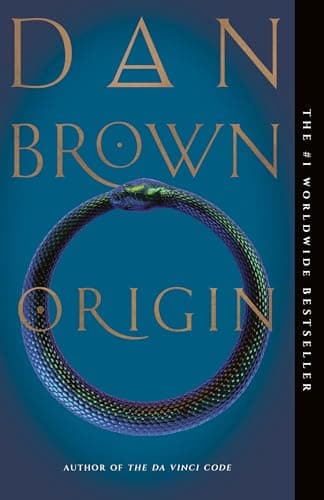
Quick Verdict
Pros
- Gripping puzzle-driven plot that keeps pages turning
- Rich Barcelona and Bilbao settings bring architecture to life
- Provocative blend of science, religion, and philosophy
- Classic Dan Brown format with short chapters and cliffhangers
- Strong supporting cast including Ambra Vidal and Winston
- Explores cutting-edge questions about creation and AI
Cons
- Familiar formula may feel repetitive for series veterans
- Plot relies on convenient coincidences and fast travel
- Villain's plan feels slightly underdeveloped
- Some scientific concepts oversimplified for thriller pacing
- Secondary characters lack depth compared to Langdon
Quick Verdict
After finally sitting down with Origin by Dan Brown, I can confirm it's exactly what fans of the Robert Langdon series expect: a fast-moving thriller that drags you through Gaudí's Barcelona, drops you in front of cutting-edge AI discussions, and poses the kind of question that makes you argue with the book itself. Whether that's a compliment depends on how much you enjoy Dan Brown's particular brand of intellectual suspense. For me? I read the last 150 pages in a single sitting, which tells you most of what you need to know. Rating: 4.2/5.
What Is Origin?
Origin is the fifth installment in Dan Brown's Robert Langdon series, published by Anchor Books in October 2017. The novel drops Harvard symbologist Robert Langdon into Barcelona, where he's attending the unveiling of a groundbreaking technology developed by Edmond Kirsch — a billionaire futurist and Langdon's former student. The event takes a deadly turn, and Langdon finds himself racing alongside Ambra Vidal, director of the Guggenheim Bilbao, to uncover what Kirsch was really planning to reveal. The answer, it turns out, challenges the foundations of both science and religion.
I picked up my copy on a rainy Thursday evening with low expectations — I'd read The Da Vinci Code years ago and felt neutral about it. By Saturday morning, I was Google-searching the Sagrada Familia's actual SagradaFamilia and comparing photos to what Brown described. That's the Dan Brown effect. He makes you want to fact-check while you read, which is either annoying or exhilarating depending on your temperament.
Key Features
- Robert Langdon as the protagonist, with his signature puzzle-solving approach to mysteries
- Barcelona and Bilbao settings featuring real architectural landmarks and museums
- Exploration of science versus religion through the character of Edmond Kirsch
- Short chapter format designed for fast reading momentum
- Mix of historical art, architecture, and cutting-edge technology themes
- Ambra Vidal as a compelling female lead alongside Langdon
- Winston, an AI assistant, providing a unique narrative voice
Hands-On Review
The first thing I noticed about Origin is how Dan Brown leans harder into philosophy than previous Langdon novels. Edmond Kirsch isn't just a plot device — he's a vessel for genuine questions about whether science can explain creation. After the first chapter, I found myself genuinely curious about Kirsch's research, which goes against my usual wariness toward Dan Brown's depictions of real scientific concepts.
Barcelona comes alive on the page. I've never visited the Sagrada Familia, but Brown's descriptions made me pull up construction photos on my phone mid-read. He clearly did his research, or at least hired someone who did. The same attention applies to the Guggenheim Bilbao — the building's titanium scales get mentioned so often you start seeing them in your mind's eye. What surprised me was how the Spanish setting felt fresh compared to the Vatican or Washington D.C. of earlier books. There's something slightly edgier about Barcelona, with its modernist chaos cutting against the orderly puzzles Langdon typically navigates.
The plot mechanics are classic Dan Brown: rapid chapter cuts, secret passages, ancient symbols pointing to modern conspiracies. If you've read any Langdon novel, you know the rhythm. Some will find it formulaic by this point — I won't argue with that. What I will say is that Origin's central mystery feels more consequential than some of the series' earlier entries. The question of what Kirsch discovered genuinely kept me engaged, even when the plot demanded unlikely coincidences to keep Langdon moving.
My main frustration? The villain. Without spoilers, I'll say that the antagonistic force feels more like a concept than a character. In The Da Vinci Code, Silas had physical presence and terror. In Origin, the threat is more diffuse, which works thematically but loses some thriller punch.
Who Should Buy It?
- Dan Brown fans who enjoy the Langdon formula and want more of it — this is a solid entry in the series
- Readers who love puzzle mysteries with art, architecture, and history woven throughout
- Anyone visiting Barcelona who wants a fictional tour guide through Gaudí's masterworks
- Thrill seekers who want a book they can finish in a weekend without brain-heavy investment
Skip this if you can't stand the Dan Brown style — rapid-fire short chapters, convenient plot resolutions, and a protagonist who always knows exactly the right obscure fact at the right moment. If you bounced off The Da Vinci Code, Origin won't change your mind. And if you're looking for literary fiction with complex character development, look elsewhere.
Alternatives Worth Considering
If Origin appeals to you but you want a different take on similar themes, consider these alternatives:
- The Da Vinci Code by Dan Brown — the series起点. More iconic, though the plot has aged somewhat since 2003. Better villain, slightly weaker philosophy.
- Digital Fortress by Dan Brown — if you're curious about Brown's earlier techno-thriller work. Less polished but interestingly prescient about NSA surveillance.
- Inferno by Dan Brown — another Langdon novel, this one set in Istanbul and Venice. Features a female lead and a virus-based plot. Similar pacing, different scenery.
FAQ
Yes, Origin is the fifth book in the Robert Langdon series, following Angels & Demons, The Da Vinci Code, The Lost Symbol, and Inferno. It can be read standalone but benefits from series familiarity.
Final Verdict
Origin by Dan Brown isn't reinventing the wheel — it's a well-oiled version of a wheel we've seen before. The Barcelona setting elevates the usual Langdon formula, and the central question about life's origins gives it philosophical weight that lingers after you close the cover. Is it literature? No. Is it entertaining, propulsive, and exactly the kind of book you can finish over a long weekend? Absolutely. If you're in the mood for a thriller that makes you think while you turn pages, Origin delivers. Just don't expect any of it to be subtle.