
The Screwtape Letters Review – A Timeless Spiritual Classic
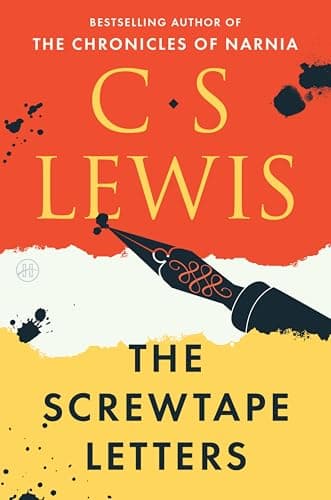
Quick Verdict
Pros
- Brilliantly original format — letters from a demon's perspective offer a uniquely unsettling mirror on human behavior
- Lewis's wit and irony make complex spiritual concepts accessible and surprisingly entertaining
- Short, self-contained chapters make it perfect for busy readers or daily devotional reading
- Deeply thought-provoking — many readers report noticing their own tempting thoughts in new ways after reading
- Rich with quotable passages that stay with you long after finishing
- Holds up remarkably well — first published in 1942 yet feels fresh and relevant today
Cons
- Some cultural references and British wit may feel dated to younger readers
- The satirical tone can catch readers off guard if they're expecting straight theological writing
- Not a traditional narrative — character development is minimal since Wormwood is merely a correspondent
- Some readers may find the demon-narration uncomfortable or unsettling at first
- Limited action sequences — it's entirely dialogue and correspondence
Quick Verdict
If you're looking for a book that will genuinely make you think about temptation, faith, and human nature in an entirely new way, The Screwtape Letters should be on your reading list. C.S. Lewis's 1942 epistolary masterpiece remains one of the most brilliantly original works of Christian literature — funny, unsettling, and surprisingly practical. I'd give it a strong 4.7 out of 5. Buy it if you want a book that rewards rereading; consider skipping it if you prefer traditional narratives with plot and character arcs.
What Is The Screwtape Letters?
Picture this: it's 1941, London is being bombed, and C.S. Lewis — Oxford don, future author of The Chronicles of Narnia — sits down to write a series of fictional letters. Not to a publisher. Not to a friend. To imaginary demons in Hell. That's how The Screwtape Letters came to exist, originally published in The Guardian and later as a standalone book that has never gone out of print.
The conceit is devilishly clever. Screwtape is a senior demon, a kind of bureaucratic middle-manager of temptation, writing advice letters to his nephew Wormwood. Wormwood has been assigned a human 'patient' — a young British man navigating ordinary life during wartime — and Screwtape is coaching him on how to lead this soul astray. The genius is that Lewis, a devout Christian, understands temptation so intimately that he can write it from the demon's perspective with unsettling accuracy.
Key Features
- 31 self-contained letters, each tackling a different aspect of temptation and spiritual life
- Satirical tone balances genuine theological depth with laugh-out-loud humor
- Short chapters (3-8 pages each) ideal for daily reading or commute reading
- Annotations edition available for deeper scholarly study
- Published continuously since 1942 — one of the most enduring books of its kind
- Influenced generations of Christian writers and thinkers
- Accessible to readers of any faith tradition (or none)
Hands-On Review
I picked up my first copy during a particularly chaotic stretch at work — you know, one of those periods where everything feels urgent and nothing feels important. Within a week, I was reading one letter before bed each night, and something strange started happening. I'd encounter a passage, laugh at the absurdity, and then freeze: that's exactly what I do.
The letter about "the sin called "Assuming the Next War" floored me. Screwtape explains how humans (and demons posing as humans) love to speak with great authority about what will happen when some future crisis arrives — how they'll be brave, how they'll sacrifice, how different they'll be. It's a way to feel noble about hypothetical futures while avoiding the small, unglamorous virtues of the present moment. I had to put the book down. I recognized myself completely.
Lewis's wit is genuinely sharp — he was a scholar of medieval and renaissance literature, and it shows. But what surprised me most was the emotional range. These are demons writing to each other, yet the letters are surprisingly tender in places. Screwtape genuinely loves his nephew, even as he offers advice that sounds more like competitive office politics than family warmth. The world of Hell Lewis paints is bureaucratic, petty, and oddly recognizable. If you've ever worked somewhere with pointless hierarchy, you'll understand Hell perfectly.
The annotations in the expanded edition (published by Zondervan) are genuinely useful. Jerry Root provides context about Lewis's sources — he drew heavily from St. Augustine, Thomas Aquinas, and his own observations of human behavior — plus notes on the WWII context that adds texture without being necessary. I'd recommend the annotated edition for anyone planning a group study or book club.
Who Should Buy It?
Buy it if: You enjoy clever writing and satirical humor. You're interested in understanding your own thought patterns and why you make the choices you make. You're a fan of C.S. Lewis already or want to understand what all the fuss is about. You need a book that's easy to pick up and put down but rewards slow, thoughtful reading.
Skip this if: You want a traditional novel with a plot, rising action, and character development. Satire makes you uncomfortable or feels 'mean-spirited.' You're looking for a straightforward theological textbook — Lewis's theology here is woven into the fiction, not explained directly. You struggle with books that were written before you were born.
Alternatives Worth Considering
Mere Christianity — Lewis's more direct exploration of Christian faith and ethics. If you want the theology without the satirical wrapper, this is the better choice. It's more comprehensive but less playful.
The Great Divorce — Another Lewis fantasy-theology hybrid, this one about souls given a chance to leave Hell for Heaven. It tackles similar themes of spiritual choice and self-deception with a completely different structure.
Letters from a Skeptic by Gregory Boyd — A modern epistolary exchange between a pastor and his skeptical father. If you love the letter format but want contemporary voices and direct theological debate rather than fiction.
FAQ
The book consists of 31 fictional letters written by Screwtape, a senior demon in Hell, to his nephew Wormwood, who is a junior demon assigned to tempt a specific human 'patient' toward damnation. Through these letters, Lewis explores how small compromises, distractions, and emotional manipulations lead people away from faith and goodness.
Final Verdict
The Screwtape Letters isn't just a Christian book — it's a book about being human, about the small ways we undermine ourselves and the excuses we make for bad behavior. Lewis understood something profound: the best way to recognize temptation is to see it from outside, and there's no better outside perspective than Hell's own correspondence office. Will it change your life? Maybe, if you let it. Will it make you laugh? Almost certainly. Will you ever read a self-help book the same way again? Definitely not. Check current price on Amazon