
The Laws of Human Nature Review – Insightful or Overrated?
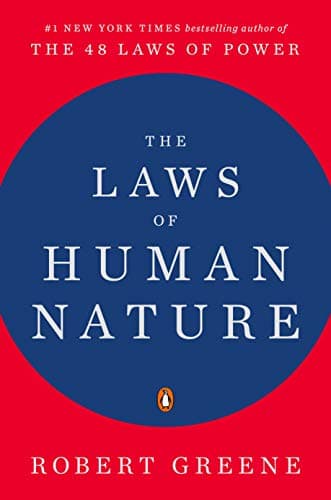
Quick Verdict
Pros
- Rich historical examples spanning centuries of figures and events
- Deep psychological insights into human behavior patterns
- Practical framework with 18 actionable laws for daily life
- Engaging storytelling that makes complex ideas accessible
- Challenges readers' self-awareness and blind spots
Cons
- Repetitive themes across different laws
- Dense prose requires slow, deliberate reading
- Some laws feel stretched to fit examples
- Can feel overwhelming with 18 laws to absorb
Quick Verdict
I picked up The Laws of Human Nature after hearing it hyped everywhere, and honestly? The first hundred pages left me cold. By page two hundred, I was dog-earing everything. This isn't a light weekend read — it's a slow burn that rewards patience. Robert Greene has a way of making you see yourself in unflattering light, which is precisely why it works. The Laws of Human Nature earns its bestseller status, though it's far from perfect.
What Is The Laws of Human Nature?
Published in 2018 by Random House, The Laws of Human Nature is Robert Greene's deep dive into the psychological forces that drive human behavior. Greene — known for The 48 Laws of Power and The Art of Seduction — approaches this book differently. Rather than strategic manipulation, he's interested in self-awareness and understanding why people act the way they do.
The book presents 18 laws organized into sections covering our primal nature, emotional intelligence, social dynamics, and power structures. Each law gets a dense chapter with historical examples, psychological analysis, and practical applications. Think of it as a toolkit for navigating the messy, irrational world of human interaction — whether with colleagues, partners, or strangers.
Key Features
- 18 distinct laws covering different aspects of human psychology
- Historical and contemporary examples from politics, business, and culture
- Self-assessment sections encouraging reflection
- Actionable strategies for applying each law in daily life
- Focus on self-awareness as the foundation for social mastery
- Analysis of group dynamics and tribal behavior
- Exploration of rationalization and self-deception patterns
Hands-On Review
I'll admit something: I almost put this book down during the first week. The opening chapters felt like a lecture from a philosophy professor who really wants you to understand his worldview. Dense paragraphs, heavy historical references, and Greene's signature cynical tone. By day three, I wasn't sure I'd make it through.
Then something shifted. I hit the section on rationalization — the way humans invent noble reasons to justify selfish behavior. Greene walks through political leaders, corporate executives, and ordinary people caught in self-deception. I found myself pausing, sometimes uncomfortably, as I recognized patterns in my own decision-making. That moment of recognition is where this book earns its keep.
The 18 laws aren't created equal. "The Law of Role-Playing" and "The Law of Seduction" feel like Greene returning to familiar territory from his earlier books. But others hit harder. "The Law of Compulsive Patterns" explains why people repeat destructive behaviors. "The Law of Warring Values" explores the internal conflicts we ignore at our peril. These chapters felt genuinely useful rather than padded.
What surprised me was how often I found myself thinking about the book outside reading hours. On a train ride two weeks in, I caught myself observing the group dynamics on the platform — the subtle hierarchies, the performative behavior, the tribal instincts Greene describes. Whether that's a credit to the book or a sign I need more hobbies remains unclear. But it demonstrates the ideas stick.
Who Should Buy It?
- Leaders and managers who want to understand team dynamics, office politics, and what really motivates people
- Readers interested in psychology who enjoy books that challenge self-perception and explore human irrationality
- Those struggling with social confidence who want frameworks for understanding why people behave the way they do
- Fans of Robert Greene's previous work who want the better-written, less manipulative sibling to The 48 Laws of Power
Skip this if you're looking for simple self-help motivation. This book doesn't tell you to wake up at 5 AM or visualize success. It asks uncomfortable questions about your own nature, and it expects you to sit with the answers. If that sounds exhausting rather than exciting, you're not the target audience — and that's fine.
Alternatives Worth Considering
Influence: The Psychology of Persuasion by Robert Cialdini is a tighter, more evidence-based look at social psychology. Less philosophical depth, but more actionable frameworks based on actual research. Better for readers who want concrete techniques over general understanding.
Thinking, Fast and Slow by Daniel Kahneman covers similar territory on cognitive biases with rigorous academic backing. It's denser and more technical, but the psychological insights are rock-solid. Worth reading if you want the science behind why humans are irrational.
The 48 Laws of Power by Robert Greene himself offers a more cynical, strategic take on social dynamics. It's more focused on winning than understanding — useful for certain contexts, but less balanced than The Laws of Human Nature.
FAQ
It's a psychology and self-help book by Robert Greene that examines the fundamental drives and behaviors of human beings, presenting 18 universal laws that govern how we think, act, and interact with others.
Final Verdict
The Laws of Human Nature isn't a casual read, and it's not trying to be. Greene wants you to fundamentally reconsider how you see yourself and others, which requires effort on your part. The 18 laws vary in quality, the prose is dense, and you'll find yourself re-reading chapters. But beneath the rough patches are genuine insights that have stuck with me months later. Is it the best psychology book ever written? No. Is it worth your time if you're genuinely curious about human behavior? I'd say yes — with the caveat that you give it at least a hundred pages before deciding. That's when it clicked for me, and I suspect it will for you too too.